
Last updated September 10, 2026
Full 25-point door and opener safety check with every visit - springs, cables, rollers, tracks, and your LiftMaster or Chamberlain opener included
You get a price before we start. It does not change when the truck arrives.
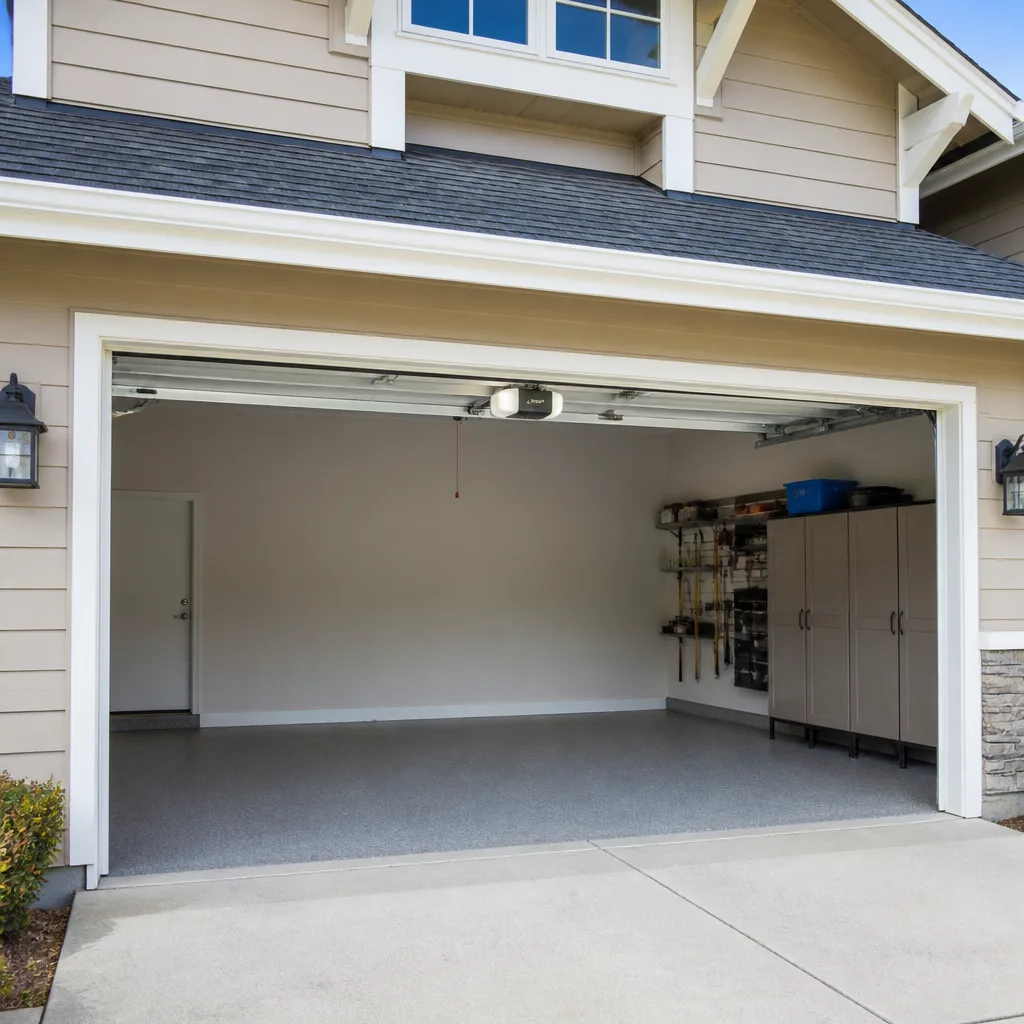
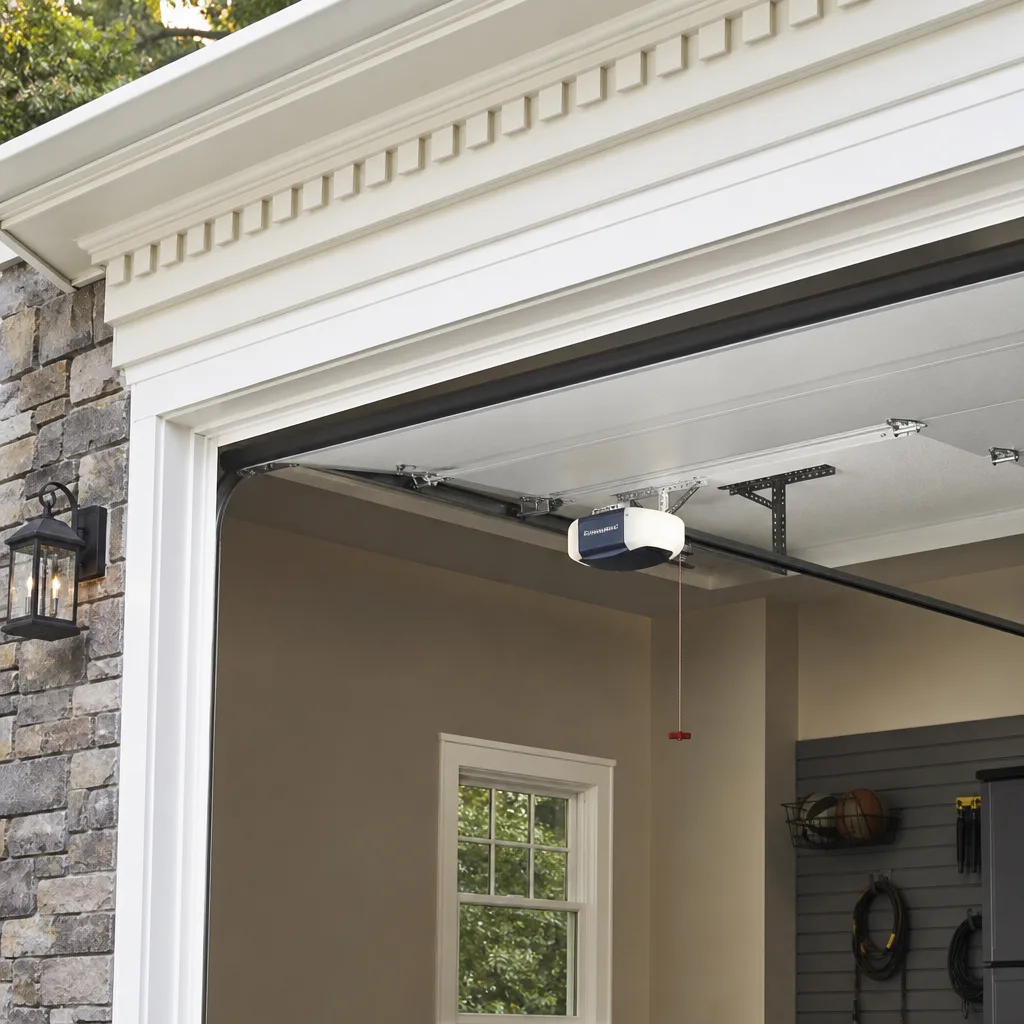
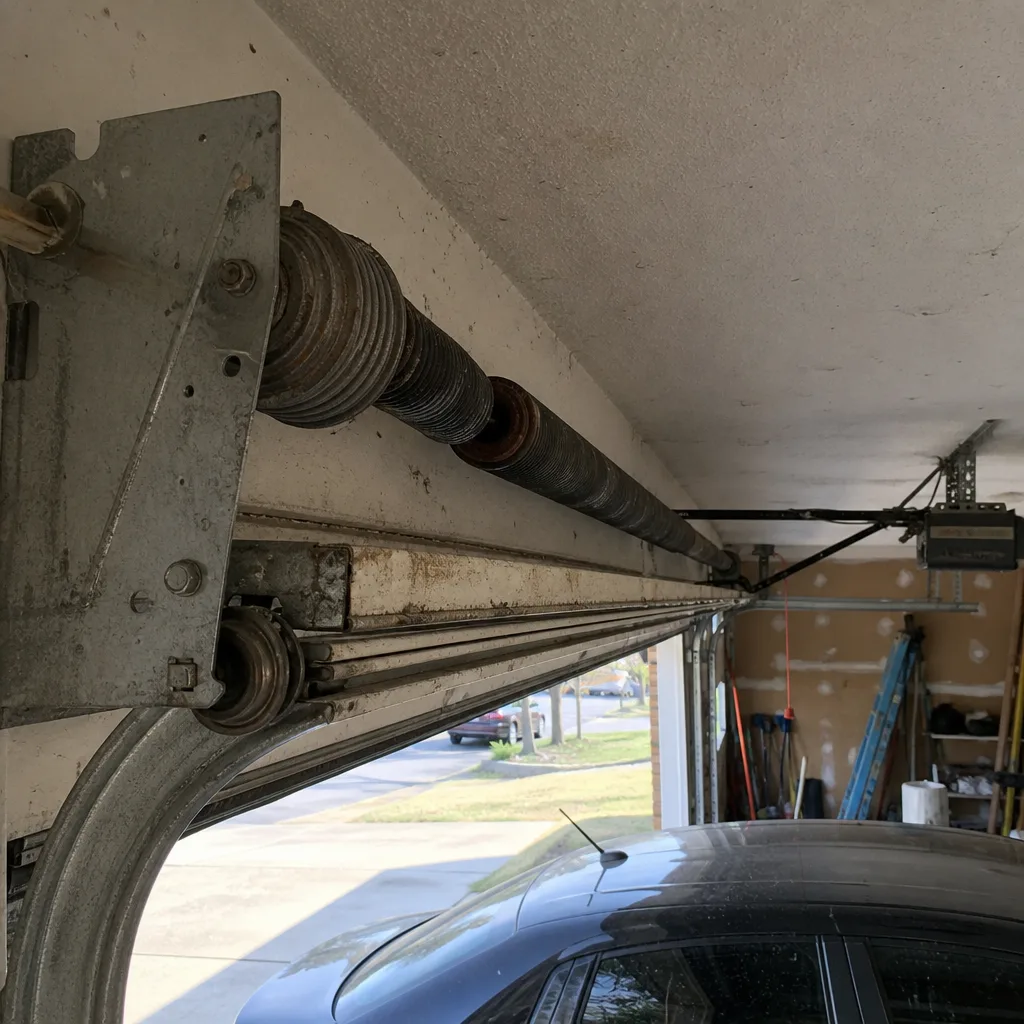 Before
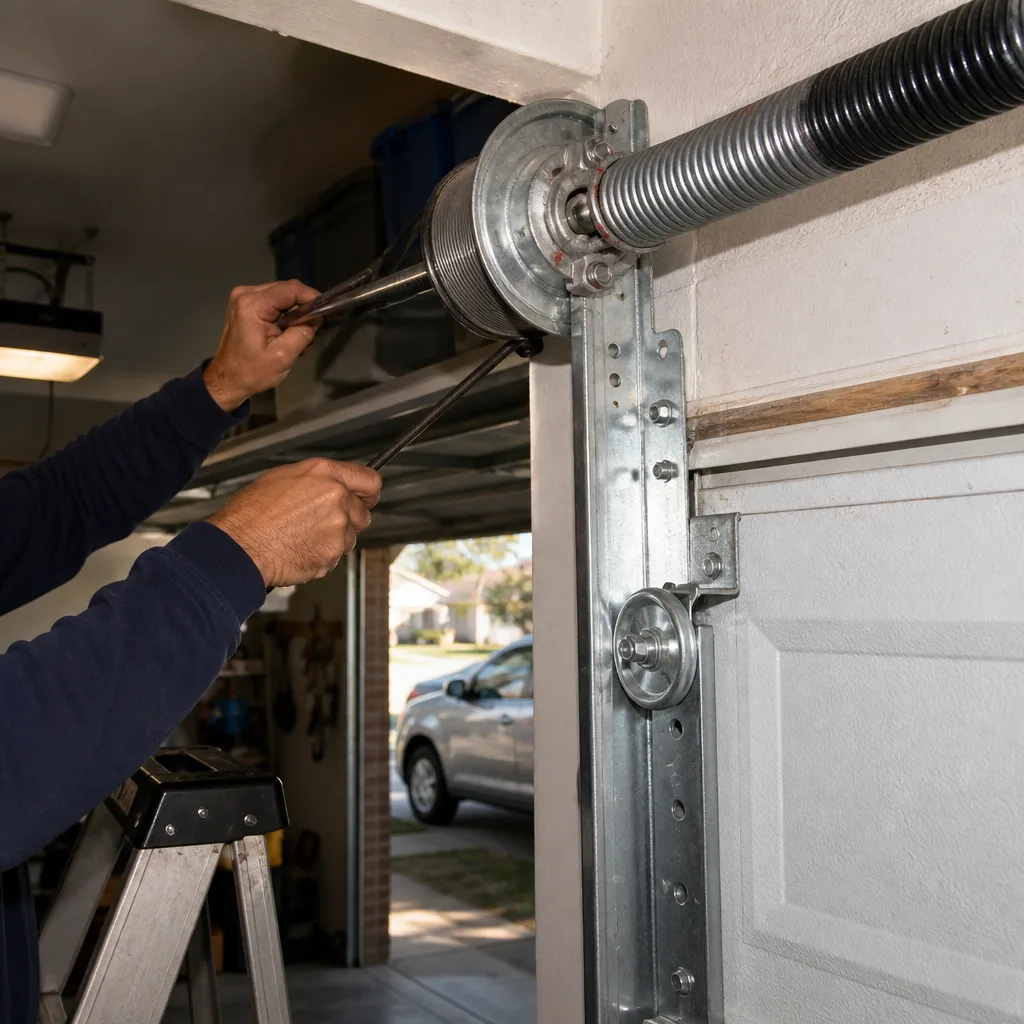 After
After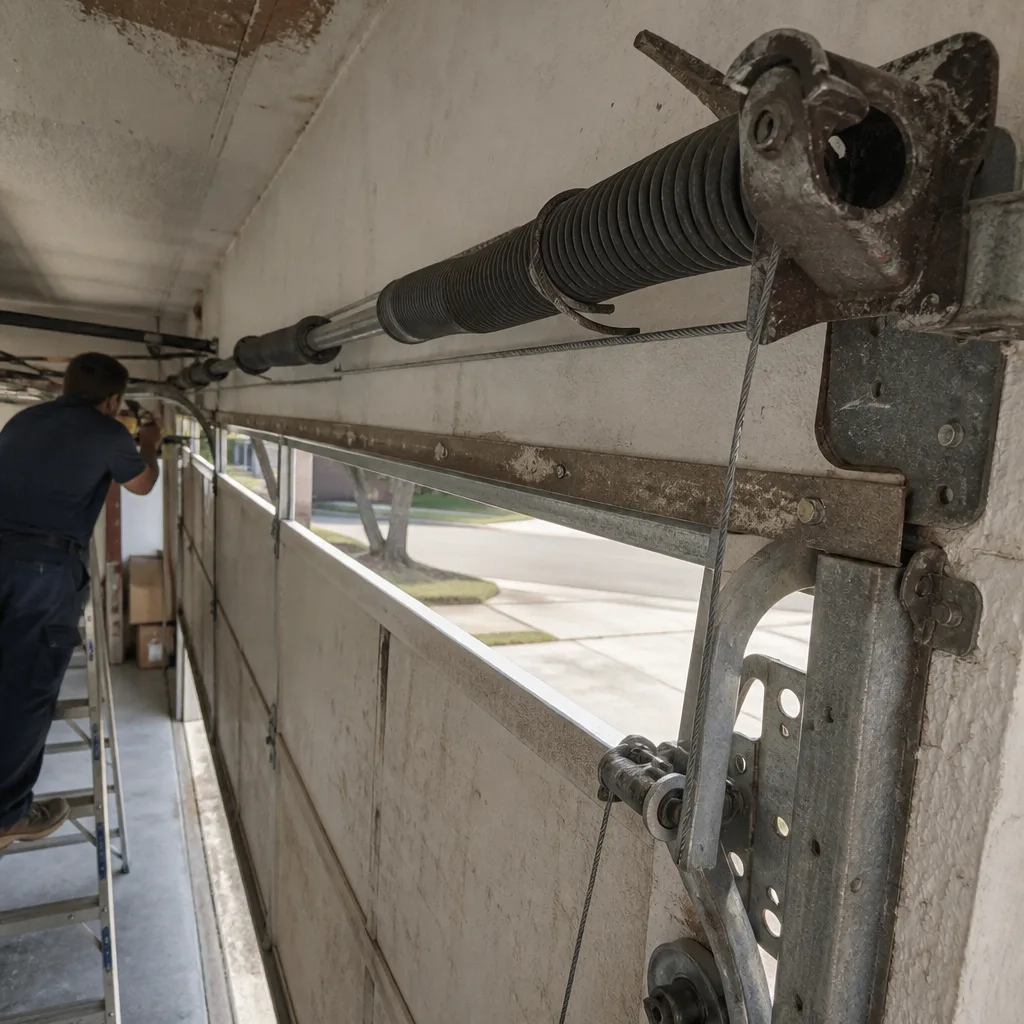 Before
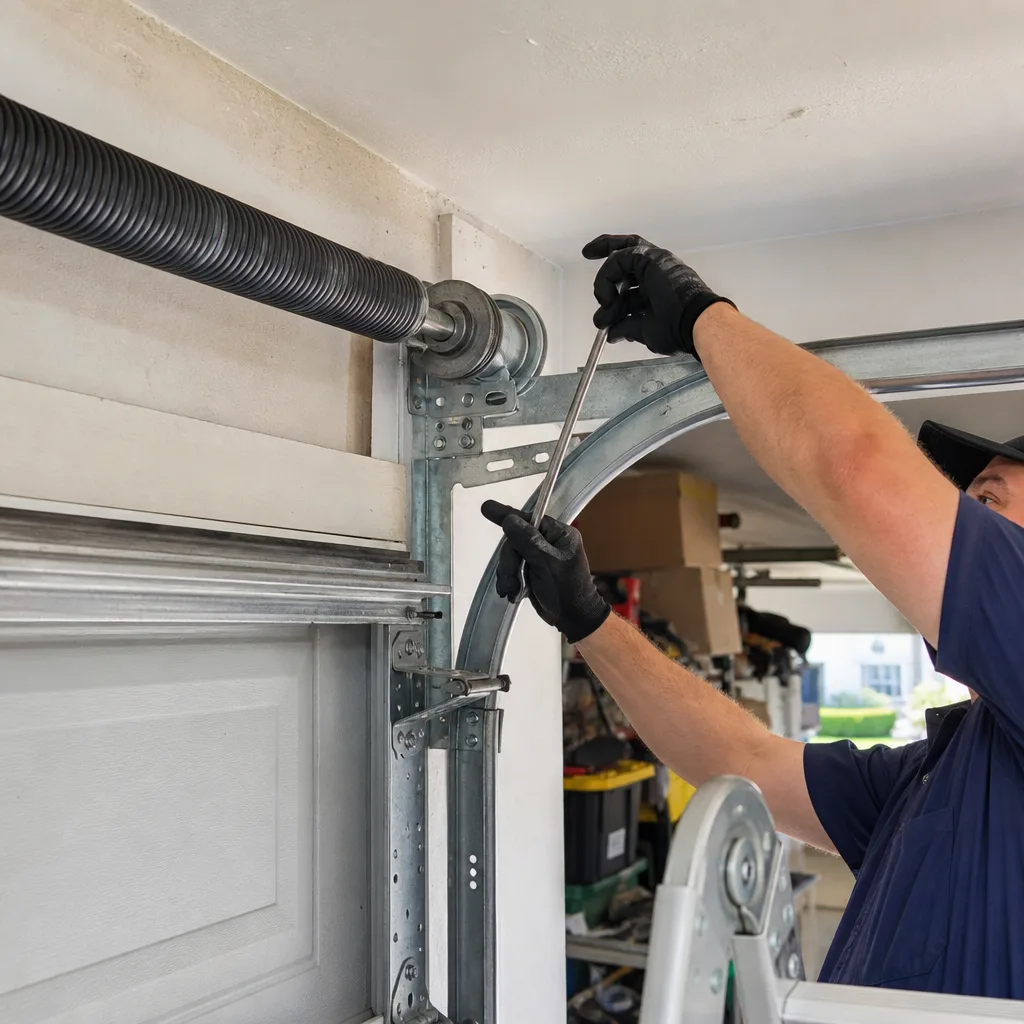 After
After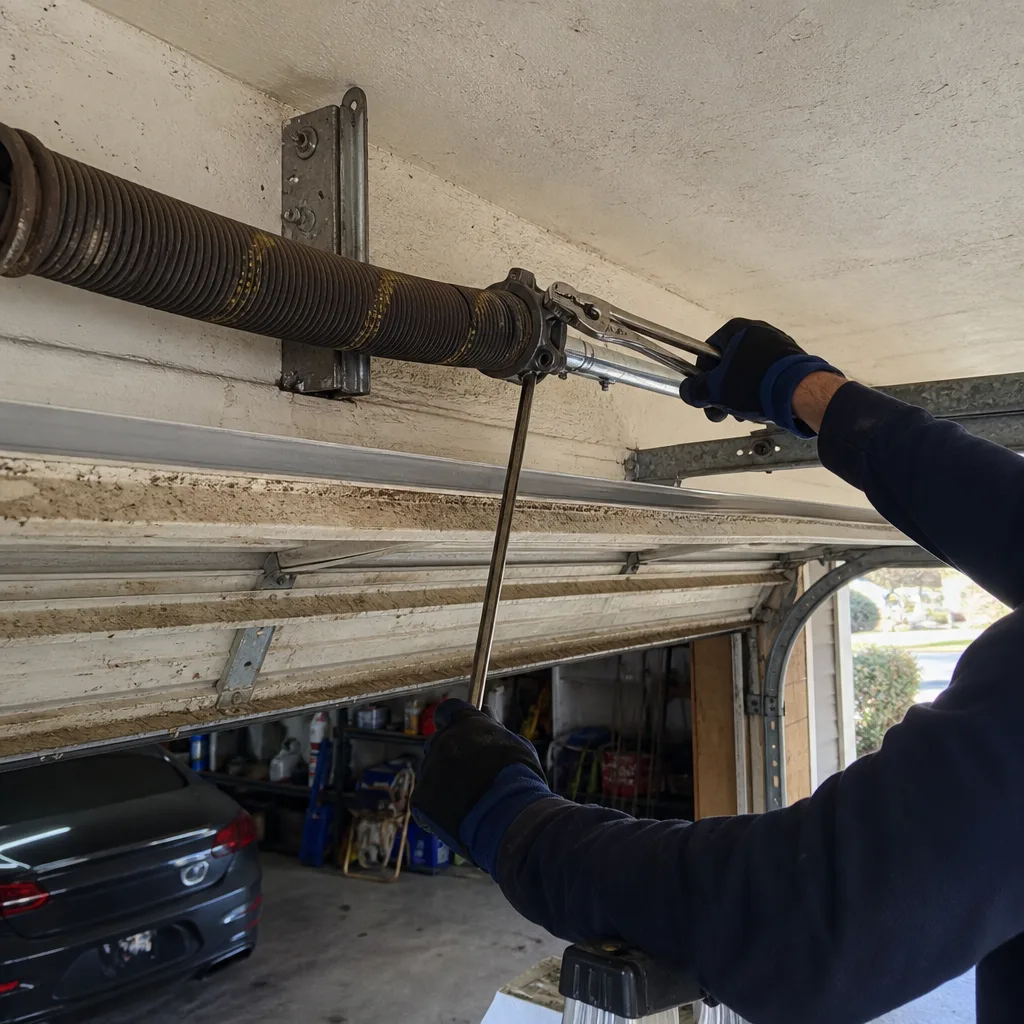 Before
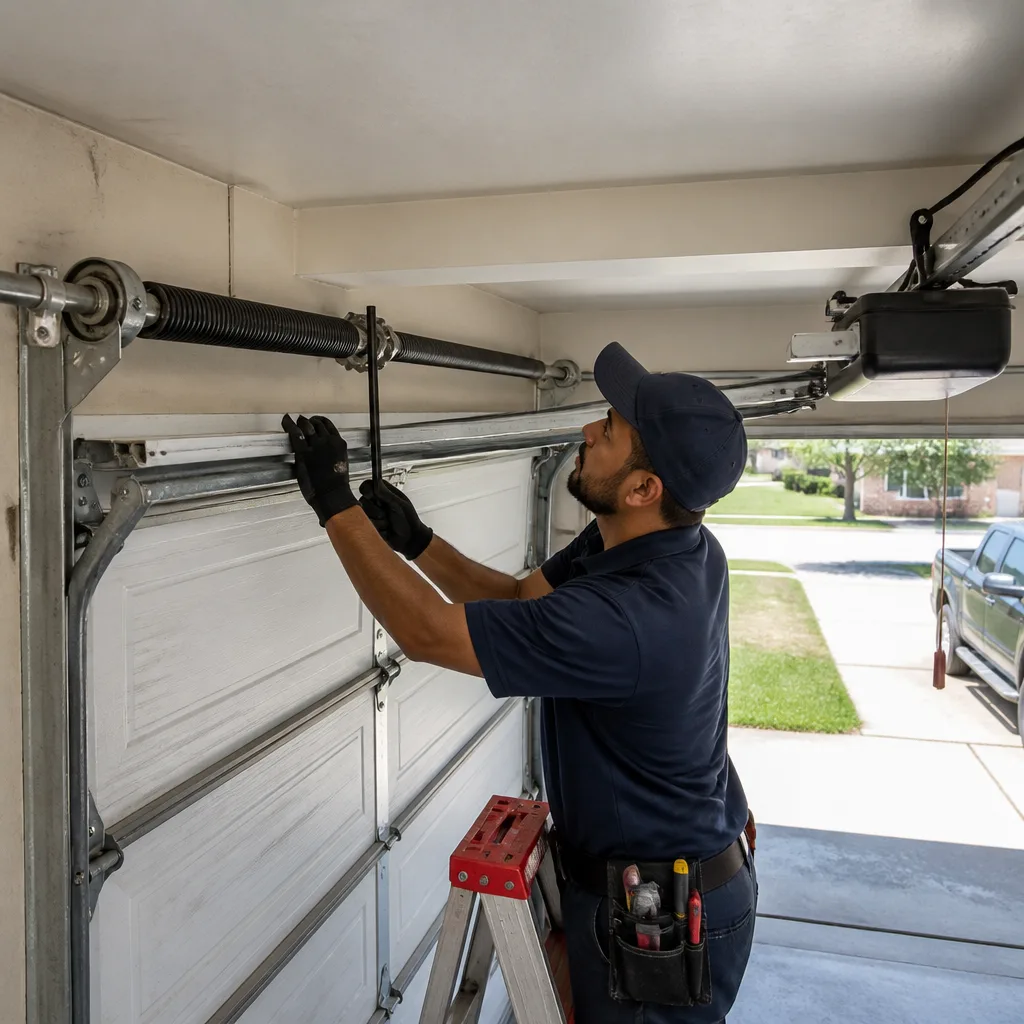 After
AfterGarage Door Warning Signs: A Grand Prairie Homeowner’s Reference Guide
Here is a fact most Grand Prairie homeowners learn too late: a garage door gives you a readable sequence of warning signs before it fails, and knowing how to interpret that sequence lets you make one repair call instead of three. In our 42 years serving this market, we have watched the same story repeat. A door that reverses before hitting the ground gets blamed on the opener. The homeowner buys a new LiftMaster or Genie unit. Two weeks later the door still reverses, because the real problem was track alignment thrown off by the clay-heavy soil shift common to western Dallas County. This guide - along with our Complete Guide to Garage Door in Grand Prairie - teaches you to read the pattern, not just the symptom, so you spend money once and get it done right.
Quick Answer
Garage door warning signs in Grand Prairie cluster into three categories: spring tension loss (slow rise, visible gap in the coil, loud bang), cable deterioration (slanted door, frayed strands, loose cables on the drum), and track or roller failure (grinding, reversal before ground contact, door sticking at one height). A door that hesitates in summer heat but runs fine in cooler weather points to lubrication breakdown on the torsion spring, not motor failure. The three signs that mean stop using the door immediately are a broken spring, a snapped cable, and a door that jumps off the track.
Table of Contents
- The Symptom-to-Cause Map: Reading the Pattern
- Spring Warning Signs: Sound, Sight, and Speed
- Cable Warning Signs: What Fraying Actually Looks Like
- Track and Roller Failure: The Grand Prairie Soil Factor
- Opener Imposters: Problems That Look Like Motor Failure
- Seasonal Clues: Heat, Cold, and Humidity
- Three Signs That Mean Stop Using the Door Now
- A Simple Monthly Inspection Routine
The Symptom-to-Cause Map: Reading the Pattern
Most garage door content treats symptoms in isolation. That is a mistake. The same root cause produces multiple warning signs, and spotting the cluster saves you from misdiagnosis.
Here is how symptoms group in the field:
| Root Problem | Primary Sign | Secondary Signs | Common Misdiagnosis |
|---|---|---|---|
| Spring tension loss | Door rises slowly or stops mid-travel | Visible gap in coil; loud bang heard previously; door feels heavy to lift manually | Opener motor wearing out |
| Cable fraying or loosening | Door sits crooked when closed | Frayed strands near bottom bracket; cable unwinding from drum; rubbing sound on one side | Track bent on one side |
| Track misalignment | Door reverses before hitting floor | Roller popping at one joint; visible gap between roller and track; door binding at same height every cycle | Faulty safety sensor or bad opener |
| Roller wear | Grinding or squeaking during travel | Door shuddering in the track; rollers wobbling visibly; black grease streaks on the door panels | Needs lubrication only |
| Opener gear failure | Motor runs but door does not move | Grinding from opener housing; door moves freely by hand; trolley disconnected from carriage | Broken spring (but door would feel heavy, not free) |
The key insight: one call to garage door repair in Grand Prairie with the full symptom cluster described gets the right parts on the truck. A partial description sends the technician back for a spring he did not know he needed, or a cable set he left at the shop.
In the Carrier Parkway and Lake Ridge neighborhoods, we see a specific pattern. Homes built in the 1980s and 1990s with original Wayne Dalton or Raynor doors often present with roller wear plus track misalignment together. The rollers degrade, the door starts to shudder, that shudder loosens the track mounting bolts over months, and the soil movement common to Grand Prairie’s expansive clay finishes the job. Treating just the rollers leaves the track loose. Treating just the track ignores the worn rollers that will knock it loose again. We quote both, do both, and the door runs quiet for years.
Spring Warning Signs: Sound, Sight, and Speed
The torsion spring above your door carries the full weight of the panel assembly, typically 150 to 250 pounds on a standard double door. When it weakens, the door tells you in three specific ways.
Slow on the way up, fine on the way down. This is the signature of spring tension loss, and it is nearly diagnostic. On the downward travel, gravity assists the opener. On the upward travel, the spring must supply the lifting force. A spring that has lost 20% of its tension still lets the door descend normally. The ascent struggles. If your door takes eight seconds to open and four to close, the spring is the suspect, not the motor.
Visible gap in the coil. A healthy torsion spring has coils that sit tight together when the door is closed. A gap of even a quarter inch means the spring has stretched and lost preload. In Grand Prairie’s heat, springs fatigue faster than in cooler climates. We replace more springs in August than in any other month.
The loud bang. A torsion spring stores enormous energy. When it breaks, the release sounds like a firecracker or gunshot. If you heard that sound from the garage and now the door will not lift, the spring has snapped. Do not attempt to operate the door. The opener is not designed to lift the full dead weight, and forcing it will strip the nylon gear in the motor head.
Spring replacement is not a DIY project. The wound spring holds enough force to cause serious injury or death if mishandled. Our technicians are trained as journeymen under our K.E.Y.S. values code, and spring work is where that training matters most. We carry springs for all major brands, including Amarr, Wayne Dalton, and Craftsman doors, on every truck. Most spring replacements in Grand Prairie are completed in a single visit.
Cable Warning Signs: What Fraying Actually Looks Like
Lift cables run from the bottom brackets of the door up to the cable drums at each end of the torsion shaft. They do the actual lifting after the spring supplies the force. Cable failure is more gradual than spring failure, and the warning signs are visual if you know where to look.
The crooked door. When one cable frays and stretches more than the other, the door rises unevenly. From inside the garage, you will see one bottom corner higher than the other. Left unaddressed, this puts twisting stress on the door panels and can warp a steel door or crack a wood one.
Frayed strands at the bottom bracket. The cable makes a sharp bend around the bottom bracket pulley or sheave. This is where wear concentrates. Shine a flashlight on the cable where it meets the bracket. Fraying looks like a bottle brush: fine wires splaying outward from the main strand. Any fraying means the cable is compromised. It will not fail today, but it will fail without further warning.
Loose cable on the drum. Look at the drum above the door on each side. The cable should wrap neatly in the grooves. A cable that has slipped out of its groove or sits loosely on the drum has lost tension, usually from stretching or from the drum set screws loosening. This is a precursor to the cable jumping entirely off, which jams the door and can damage the drum.
In the single-story ranch homes common south of Interstate 30 in Grand Prairie, we see cable issues paired with spring fatigue more often than in isolation. The weakened spring makes the door heavier, the cables work harder, and the accelerated wear shows up first at the bottom bracket. Replacing cables without addressing spring tension is a short-term fix. We quote the pair together when the inspection supports it, and we state the flat price before any work begins.
Track and Roller Failure: The Grand Prairie Soil Factor
This is where local geography becomes unavoidable. Grand Prairie sits on the Blackland Prairie clay formation, a highly expansive soil that swells when wet and shrinks when dry. That movement transfers to foundations, and foundations transfer stress to garage door frames. The result is track misalignment that does not occur in sandy or rocky soil regions.
The reversal before ground contact. Safety sensors get blamed for this constantly. But if the door reverses at the same point every time, and that point is six inches or more above the floor, the cause is usually a binding track. The opener’s force sensor detects the resistance and reverses the door, exactly as designed. The sensor is working. The track is not.
We see this pattern repeatedly in the neighborhoods near Joe Pool Lake and along the Grand Peninsula, where newer construction settled during the drought years of 2011-2014 and again during the wet cycles that followed. The garage slab moves slightly, the vertical track shifts out of plumb, and the roller binds at the junction between vertical and horizontal track sections.
Roller pop and shudder. A worn roller will climb the track edge and pop back in with a audible click. This is not normal. Steel rollers with worn bearings do this first. Nylon rollers degrade more quietly but will wobble visibly in the track. Either condition accelerates track wear and can eventually deform the track itself.
The gap check. Stand inside your garage with the door closed. Look at the vertical track on each side. The roller should sit centered in the track with equal clearance on both sides. A roller pressed against one flange indicates track shift. In Grand Prairie, we check this first on any call that mentions reversal or binding, because fixing the opener or the sensor will not correct a track that has moved with the slab.
Track realignment requires specific tools: a level, winding bars for spring safety, and the knowledge to loosen and reposition track brackets without dropping the door. Our technicians arrive with these tools and the experience to use them. The 90-Day Done Right Promise covers track work, because we have seen cases where the soil continues to move and the track needs a second adjustment. We come back at no charge, in writing, with no dispute.
Opener Imposters: Problems That Look Like Motor Failure
The opener is the most expensive component in the system, and therefore the most commonly misdiagnosed. Before you shop for a new motor, rule out these three imposters.
- The trolley disconnect. Every opener has a manual release, usually a red cord hanging from the trolley. If this has been pulled, the motor runs but the door does not move. The fix takes ten seconds. Check this before calling.
- The stripped gear. If the motor hums or runs but the door does not move, and the door feels heavy to lift by hand, the opener’s nylon drive gear may have stripped. This is a $40 part and two hours of labor, not a reason to replace the entire unit. We stock gears for Chamberlain, LiftMaster, Genie, and Craftsman openers and can often repair rather than replace.
- The force limit triggered by binding. An opener that starts the door moving then reverses it may simply be hitting its force limit due to a binding track or worn roller. The motor is fine. The mechanical system is not. Replacing the opener leaves the real problem untouched.
Here is a diagnostic we teach our customers in Grand Prairie: disconnect the opener using the red cord and lift the door by hand. If it moves smoothly and stays at half-height when released, the door is balanced and the problem is likely in the opener. If it feels heavy, binds, or drifts down, the problem is mechanical. Call us with that information and we will bring the right parts.
When opener replacement is actually needed, garage door opener in Grand Prairie selection should account for door weight, ceiling height, and usage pattern. A steel door with insulation in a two-car garage needs a half-horsepower motor minimum. A heavier wood door or high-lift track configuration needs three-quarter horsepower. We measure and specify before quoting, not after.
Seasonal Clues: Heat, Cold, and Humidity
Grand Prairie’s climate gives you diagnostic information that homeowners in milder regions do not get. Learn to read it.
Summer hesitation. A door that runs fine in March but hesitates in July points to lubrication failure on the torsion spring or the rollers. Standard lithium grease thins and migrates in sustained heat above 95 degrees. The metal surfaces lose their protective film, friction increases, and the opener’s force sensor triggers. The fix is not a new opener. It is cleaning the old grease and applying a high-temperature synthetic lubricant formulated for garage door components. We use this on every tune-up call from June through September.
Winter stiffness. Cold makes steel contract and old grease harden. A door that was smooth in October becomes sluggish in January. If the stiffness is uniform across the full travel, lubrication is the likely cause. If it binds at one specific point, suspect track shift from foundation movement, which clay soils amplify after winter rain followed by dry freezes.
Spring rust bloom. March and April humidity in Grand Prairie produces surface rust on springs that have lost their factory coating. A light rust dusting is cosmetic. Flaking or pitting means the spring is degrading structurally. We inspect for this during our $89 Seasonal Garage Door Care for Grand Prairie tune-up and replace springs that show pitting before they break.
The seasonal pattern matters for scheduling. A door that shows summer hesitation will likely fail completely the following summer if not addressed. A door with winter binding will bind worse after the next foundation shift. We recommend the tune-up in early spring, before the heat stress begins, so we can catch the warning signs in time for one scheduled visit rather than an emergency call.
Three Signs That Mean Stop Using the Door Now
Some warning signs allow you to finish the day and call tomorrow. Three do not. Continuing to operate the door in these conditions risks injury, property damage, or a repair that costs multiples of what it would have cost if stopped immediately.
- Broken torsion spring. You will know by the loud bang and the door that will not lift, or lifts with extreme effort. The opener is not designed to lift full door weight. Forcing it will strip the opener gear and potentially damage the door panels. Unplug the opener and do not use the door.
- Snapped lift cable. One broken cable leaves the full door weight on the remaining cable and the spring on one side. The door will rise crookedly or not at all, and the uneven load can twist the door or pull the remaining cable off its drum. Stop operation immediately.
- Door jumped off track. A door with rollers out of the track is unstable. It can fall without warning, especially if the opener continues to apply force. If you see rollers outside the track, disengage the opener and do not attempt to force the door back in manually. The spring is still under tension and the door is heavy. This is a call for trained technicians with winding bars and proper bracing.
Our phones are staffed by a live person 24/7, including nights, weekends, and holidays, for exactly these situations. We do not use an after-hours answering service. The person who answers can dispatch a technician and give you a realistic arrival window.
A Simple Monthly Inspection Routine
A five-minute monthly check catches most warning signs before they become emergencies. Do this on the first Saturday of each month.
Visual check with the door closed:
- Look at the torsion spring. Coils should be tight together. Any gap is a flag.
- Inspect both lift cables where they wrap the bottom brackets. Fraying or rust calls for a closer look.
- Check the rollers in the track. They should sit centered, not pressed to one side.
- Look for black grease streaks on the door panels. This means a roller bearing is failing and throwing grease.
Manual operation test:
- Close the door and disconnect the opener with the red cord.
- Lift the door by hand to waist height. It should move smoothly and feel light, not heavy.
- Release the door at waist height. A balanced door should stay in place or drift slowly. A door that drops hard has lost spring tension.
- Lower the door and reconnect the opener.
Operated check:
- Run the door through one full cycle. Listen for grinding, popping, or squeaking that was not present last month.
- Watch for hesitation at any point in the travel.
- Verify the door reverses when you block the sensor beam with your foot, and that it reverses before contacting an object on the floor.
If any check produces a new finding, call for a free estimate. We will inspect, diagnose, and quote a flat price before any work begins. The $89 Seasonal Tune-Up includes all of the above plus lubrication, hardware tightening, and safety system testing.
Common Mistakes to Avoid
- Replacing the opener when the door is unbalanced. A new motor on a heavy door will strain and fail early. Always verify door balance before opener replacement. We check this on every garage door installation in Grand Prairie consultation.
- Ignoring a single loud noise. That bang was the spring. The door may still work for a few cycles on the remaining spring in a dual-spring system, but the uneven load damages the door and the opener. Call after the bang, not after the second spring goes.
- Applying WD-40 to the track. WD-40 is a solvent, not a lubricant. It removes the grease you need and attracts dust. Use a silicone or lithium-based product formulated for garage doors, or let us handle it during a tune-up.
- Adjusting the opener force settings to compensate for binding. This overrides a safety system. The door should reverse on contact. If you increase force to make a binding door close, you create a crushing hazard.
- Assuming a crooked door is a track problem. In Grand Prairie, cable stretch on one side is more common than track bend. Check the cables before calling for track work.
- Waiting for the second sign. By the time you notice a second symptom, the first has usually caused secondary damage. One repair becomes three.
When to Call a Professional
Call when you notice any warning sign that is new, worsening, or involves the spring or cable system. Call immediately if the door is off the track, a spring is broken, or a cable is snapped. Call when you are unsure whether a symptom is mechanical or electrical, because misdiagnosis costs more than the service call.
Carl Dutton and the team at Mainspring Garage Door Co. home have served Grand Prairie since 2016, building on a company foundation laid in 1984. We answer our own phones, day or night. Our trucks carry springs, cables, rollers, and openers for all major brands. We state the flat price before any work begins, and we back every job with the 90-Day Done Right Promise in writing.
Mainspring Garage Door Co. offers free estimates in Grand Prairie. Call (972) 645-4416.
Frequently Asked Questions
Standard torsion spring replacement in Grand Prairie typically runs $180 to $340 for a single spring, or $280 to $480 for a dual-spring system, depending on door size and spring type. We quote the exact price after measuring, before any work starts, and we carry the springs on our truck for same-day completion. Call (972) 645-4416 for an exact quote - estimates are free.
In most Grand Prairie homes, this is track misalignment from soil movement, not a faulty opener or sensor. The clay-heavy soil shifts the garage slab, the vertical track goes out of plumb, and the roller binds at the curve where vertical meets horizontal track. The opener’s force sensor correctly reverses the door. Replacing the opener will not fix it. A technician can realign the track and verify the safety system in one visit.
No. Torsion springs store enough energy to cause serious injury or death if mishandled. The winding and unwinding process requires specific tools and training. Our technicians are background-checked, uniformed, and trained as journeymen. This is not a project for the homeowner tool kit.
Look for three signs: the door sits crooked when closed, visible fraying where the cable bends around the bottom bracket, or loose wrapping on the cable drum above the door. Any one of these means the cable is compromised. Cables fail without further warning once fraying begins, so schedule replacement promptly.
Heat thins the lubricant on the torsion spring and rollers, increasing friction. The opener works harder and appears sluggish. This is a lubrication issue, not motor failure. A seasonal tune-up with high-temperature synthetic lubricant resolves it. We see this most in July and August in Grand Prairie, when sustained heat above 100 degrees degrades standard grease.
Yes. Our trucks are stocked with springs, cables, rollers, and hardware for all major brands including LiftMaster, Chamberlain, Genie, Clopay, Amarr, Wayne Dalton, Craftsman, and Raynor. Most repairs are completed in a single visit with no waiting for parts.
The Bottom Line
A garage door does not fail without warning. It gives you a sequence: a sound, a speed change, a visual cue, a seasonal pattern. The homeowner who reads the sequence correctly - or learns from our more guides & resources - makes one repair call, gets the right parts on the truck, and pays once. The homeowner who treats each symptom in isolation makes multiple calls, buys unnecessary parts, and still faces the underlying problem.
In Grand Prairie’s clay-soil climate, track alignment and spring tension deserve particular attention. The soil moves. The door responds. Knowing that relationship, and knowing which signs demand immediate stop and which allow scheduled repair, is the difference between a $200 maintenance call and a $1,200 emergency.
We have been doing this work since 1984. We answer the phone ourselves, 24/7. We quote flat prices before the wrench turns. And we come back if it is not right, no paperwork, no argument, for 90 days. That is the Mainspring way.
Written by Carl Dutton, Owner at Mainspring Garage Door Co., serving Grand Prairie since 2016.